
Agricultural Machinery Finance
Finance for tractors, headers, harvesters, sprayers, and farm equipment matched to lenders who understand seasonal income.
Agricultural machinery finance is a different conversation to standard equipment finance. Farming income is seasonal, asset values behave differently, and the lenders who genuinely understand agriculture are not the same ones who finance excavators and trucks.
Sierra Finance is a Melbourne-based equipment finance broker with access to 50+ lenders, including funders with dedicated agricultural lending teams. We structure farm machinery finance around the way your business actually earns, with most approvals back within 24 to 48 hours.
Our Lenders









































































What Our Clients Say About Us
How Agricultural Machinery Finance Works
The most common structure for agricultural machinery finance is a chattel mortgage. You own the equipment from settlement, claim depreciation and GST input credits upfront, and make fixed repayments over an agreed term. For most farming businesses purchasing a tractor, header, or harvester to run in their own operation, chattel mortgage is the standard choice.
Where farm machinery finance differs from other equipment finance is in repayment structuring. Farming income is seasonal. A broadacre cropping operation might bring in 70 to 80 percent of its annual revenue in a two to three month window after harvest, then run lean for the rest of the year. Standard even monthly repayments do not suit that cash flow pattern.
Sierra structures seasonal repayments where the lender allows it. That means reduced payments during the off-season, with larger payments scheduled after harvest when the money is actually coming in. Not every lender offers genuine seasonal structures, so knowing which funders will do it (and which ones just talk about it) matters.
Other finance structures are available depending on your situation. A finance lease suits operators who prefer to keep the machinery off their balance sheet or plan to upgrade on a regular cycle. Commercial hire purchase works similarly to chattel mortgage with slightly different accounting treatment. Operating leases suit situations where you need a piece of machinery for a specific season or contract rather than permanently. Balloon or residual payments are also common across all structures, particularly on higher value machinery, to keep regular repayments manageable.
Loan terms typically run from 3 to 7 years. The right combination of structure, term, and balloon depends on the specific asset, how your business earns, and what your accountant recommends for your tax position.
What You Can Finance with Agricultural Machinery Finance
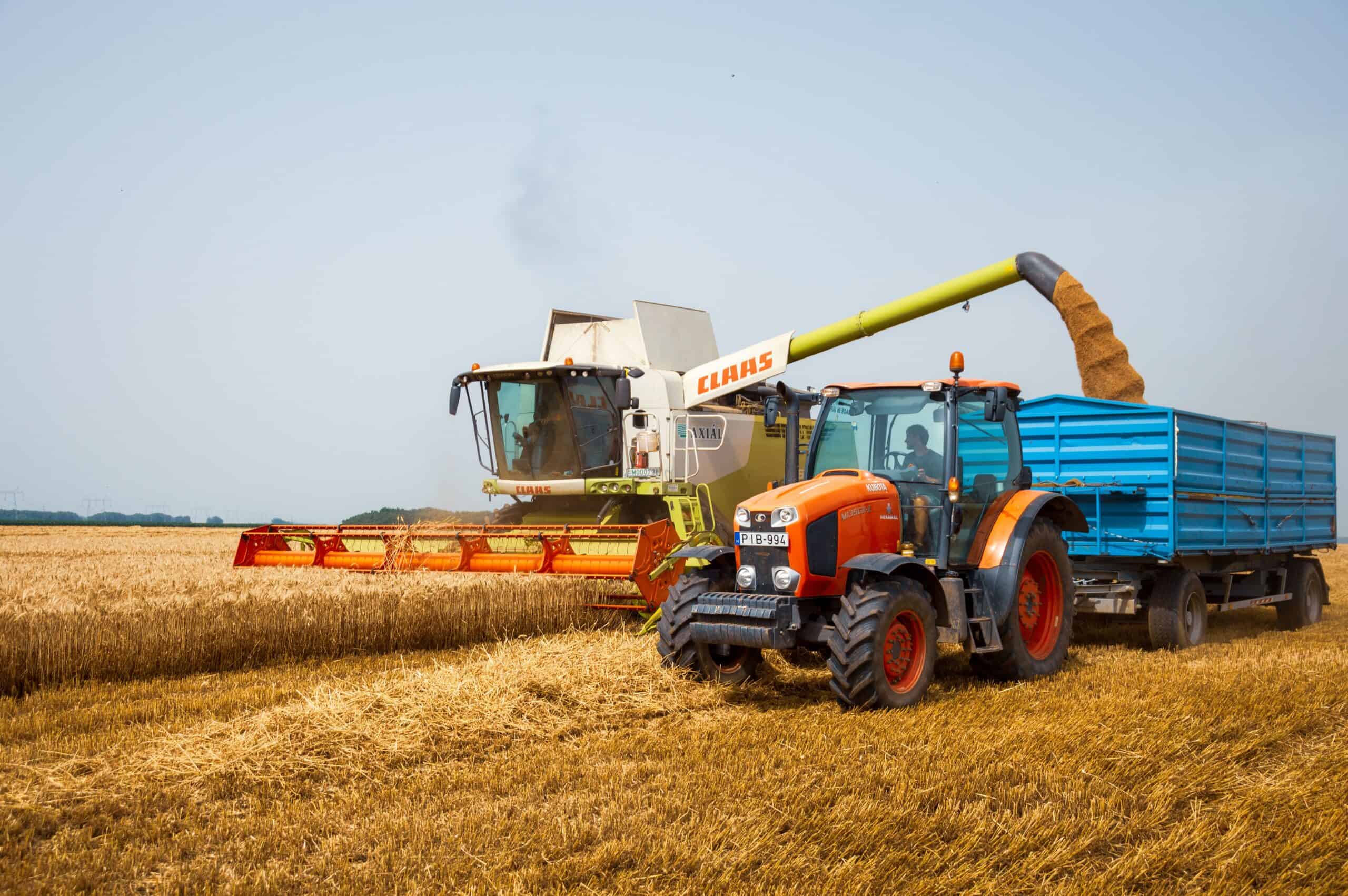
Sierra finances the full range of agricultural machinery and farm equipment. That includes tractors from compact utility models through to large broadacre machines, headers and harvesters, sprayers (both self-propelled and trailed), balers, seeders and planters, disc tillers and ploughs, spreaders, loaders, grain handling equipment such as augers and field bins, and silos.
We finance all the major agricultural machinery brands including John Deere, Case IH, New Holland, Massey Ferguson, Fendt, CLAAS, Kubota, Deutz Fahr, MacDon, and Kioti, along with other brands where the asset stacks up.
New and used farm machinery are both financeable. Agricultural equipment holds its value well, and a properly maintained tractor or header can have decades of productive life. Most lenders on the panel will comfortably finance used agricultural machinery up to 15 to 20 years old with the right funder. Older than that is still possible but narrows the lender pool. The best rates are typically on equipment under five years old, but there are competitive options across the full age range.
Hours matter as much as age on agricultural machinery. A 10-year-old tractor with 3,000 hours is a very different proposition to the same model with 12,000 hours. Lenders with genuine agricultural experience assess hours as a key indicator of remaining useful life, not just the year of manufacture.
You can purchase from a licensed dealer, a private seller, or at auction. Private sales are common in agriculture and Sierra handles the full settlement process with the seller, including PPSR checks, finance inspections, and coordinating payment through the lender.
Deal sizes for agricultural machinery finance typically range from $20,000 for smaller implements and used tractors through to $500,000+ for new headers, large tractors, and multi-unit purchases. Deals above $250,000 can require additional documentation and may take an extra day or two for approval, but they are routine.
Who Agricultural Machinery Finance Is For
Agricultural machinery finance is for any business that needs to purchase farm equipment and wants to preserve working capital rather than paying cash outright. That includes broadacre cropping operations, livestock producers, dairy farmers, horticulture and viticulture businesses, mixed farming operations, and agricultural contractors.
Sierra Finance works with established multi-generational farming operations upgrading or expanding their fleet, younger operators purchasing their first major piece of machinery, family trusts and partnerships investing in equipment, and new entrants to agriculture with relevant industry experience.
Entity structures in farming are often more complex than other industries. Family trusts, partnerships, and multi-entity structures are common, with the farm in one entity, the machinery in another, and the land in a third. Not every lender handles these structures well. Placing the deal with a funder who is comfortable with farming entity structures avoids unnecessary requests for personal guarantees or additional security that should not be required.
For borrowers with limited documentation, low-doc agricultural machinery finance options are available. If your financials are not up to date, or you are between harvest seasons and your most recent BAS shows a quiet quarter, there are lenders who will work with BAS history, bank statements, and a clean ATO record rather than requiring full financial statements. Low-doc farm equipment finance is available for amounts up to $500,000 depending on the lender and the strength of the overall application.
Start-up farming businesses with a deposit or some form of security can also access agricultural machinery finance. If you have industry experience, a clear plan, and can demonstrate capacity to service the repayments, there are lenders on the panel who will consider the application.
Why Use a Broker for
Agricultural Machinery Finance
The most common mistake farmers make when arranging their own machinery finance is going to their local bank branch. The banker runs the numbers off the most recent BAS, which happens to be a quiet quarter between harvests, and either declines the application or offers terms that do not reflect the actual strength of the business. That credit enquiry is now sitting on the farmer's file, making the next application harder before it has even started.
A broker who understands agricultural finance presents the full picture of the farming business, not a snapshot from the wrong quarter. That means showing lenders the annual income cycle across two to three years of BAS or tax returns, demonstrating that the quiet quarter is a normal part of the seasonal pattern, and placing the application with a lender who already understands how farming income works. The goal is a clean approval first time, with no wasted credit enquiries and no unnecessary document requests.
The other advantage of using a broker for farm machinery finance is lender matching. Unlike excavator finance or truck finance where most lenders have standard appetite, agricultural assets attract genuinely different levels of interest from different funders." Some funders have dedicated agricultural lending teams and actively want farming business. Others treat farm equipment the same as any other machinery and do not account for seasonal cash flow in their assessment. Knowing which lenders genuinely understand agriculture, and which ones will cause problems, is where a broker adds value on these deals.
Dealer finance is also worth considering carefully. Manufacturer 0% or low rate finance offers from the likes of John Deere Financial or CNH Industrial Capital can look attractive, but the cost is often built into the purchase price of the machinery. A higher purchase price at 0% can end up costing more than a lower negotiated price with a competitive rate through a broker. Dealer finance also tends to offer limited flexibility on loan structures, with fixed terms, no balloon options, and set repayment schedules that may not suit seasonal cash flow.
Sierra compares the full market across 50+ lenders to find the right combination of rate, structure, and repayment flexibility for each deal. If the dealer offer genuinely is the best option, we will tell you to take it. But more often than not, the total cost of the deal is lower when the purchase price and the finance are negotiated separately.
Get a Free quote on Farm Machinery Finance
Talk to a broker who understands agricultural equipment and seasonal income. No obligation, fast response.
How Agricultural Machinery Finance Works with Sierra Finance
Step 1: Tell us what you are buying Call or enquire online with the details of the machinery you are looking to purchase. We will ask about the asset, the purchase price, your business structure, and how long you have been operating. This usually takes five to ten minutes.
Step 2: We find the right lender Based on your situation, we match your application to the most appropriate lender on our panel. For agricultural deals, this means a funder who understands farming income patterns, is comfortable with the asset type, and offers the structure and terms that suit your cash flow. We handle the full application and submission process.
Step 3: Approval and settlement Most agricultural machinery finance approvals come back within 24 to 48 hours. Once approved, we coordinate settlement with the dealer, private seller, or auction house. For private sales, we arrange the finance inspection, PPSR check, and payment to the seller. You collect your machinery and get back to work.
Frequently Asked Questions
Get a Free Quote on Agricultural Machinery Finance
Talk to a broker who understands farm equipment and seasonal lending. No obligation, fast response.