
Loader Finance
Finance for wheel loaders and backhoe loaders matched to the right lender, structure and terms.
Whether you are replacing a tired Cat 950 in a quarry or financing your first backhoe loader for drainage work, getting the right finance structure on a loader matters.
Sierra Finance is a Melbourne based equipment finance broker with access to 50+ lenders who understand loaders and heavy machinery, with most approvals back within 24 to 48 hours.
Our Lenders

























































What Our Clients Say About Us


How Loader Finance Works
Most loader purchases are financed under a chattel mortgage. You own the machine from settlement, claim depreciation and GST input credits upfront, and make fixed monthly repayments over an agreed term.
Finance lease is an alternative where the lender retains ownership and you make rental payments over the term. This suits operators who prefer to upgrade machines on a regular cycle or want to keep the asset off their balance sheet. Operating leases and rental agreements are also available for project based work where a loader is needed for a specific contract window rather than permanently.
Loan terms typically run 3 to 5 years, with 7 year terms available on newer machines. Balloon or residual payments are common on loader finance because machines from tier one brands like Caterpillar and Komatsu hold their value well. A balloon reduces your monthly repayments during the term and leaves a lump sum at the end, which you can refinance, pay out, or use as a trade in value if you are upgrading. Your broker structures the balloon around the expected resale value of the machine at end of term so you are never left owing more than the loader is worth, the same approach we take across every machinery finance file we write.

What You Can Finance
Sierra Finance arranges loader finance for every major type and brand on the Australian market.
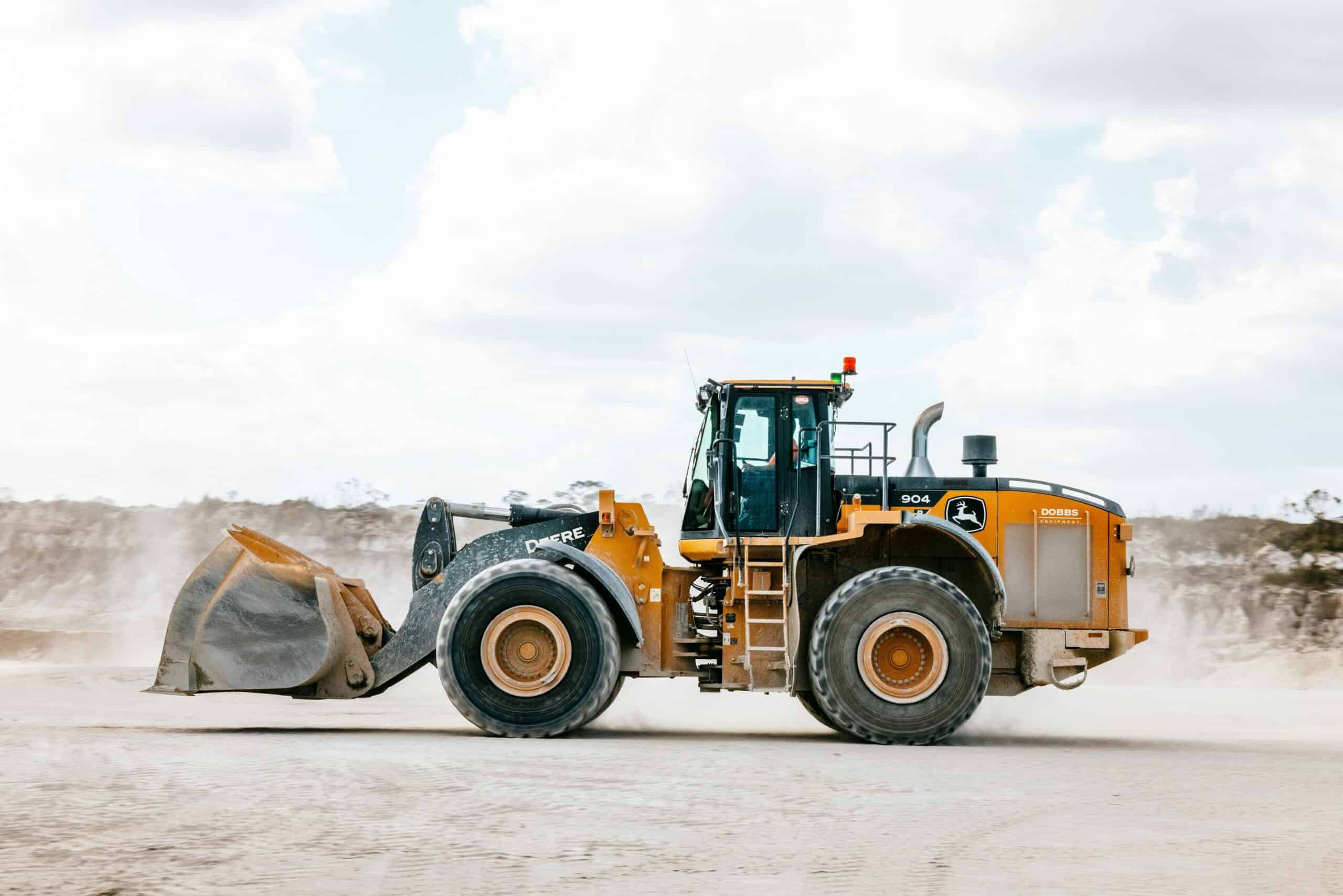
Wheel loaders: make up the majority of loader finance files we handle. These range from compact utility machines through to production class loaders used in quarries, mines, and large civil projects, though operators looking at a compact track machine are usually better served by skid steer finance where lender appetite and age limits work differently.Common models include the Caterpillar 950, 966, 980, and 988 series, the Komatsu WA320, WA470, and WA500, the Volvo L90, L120, and L180, and the Hitachi ZW series. Budget brands including LiuGong and SDLG are also financeable, though lender appetite narrows on these for older units because resale values drop off faster than tier one brands.
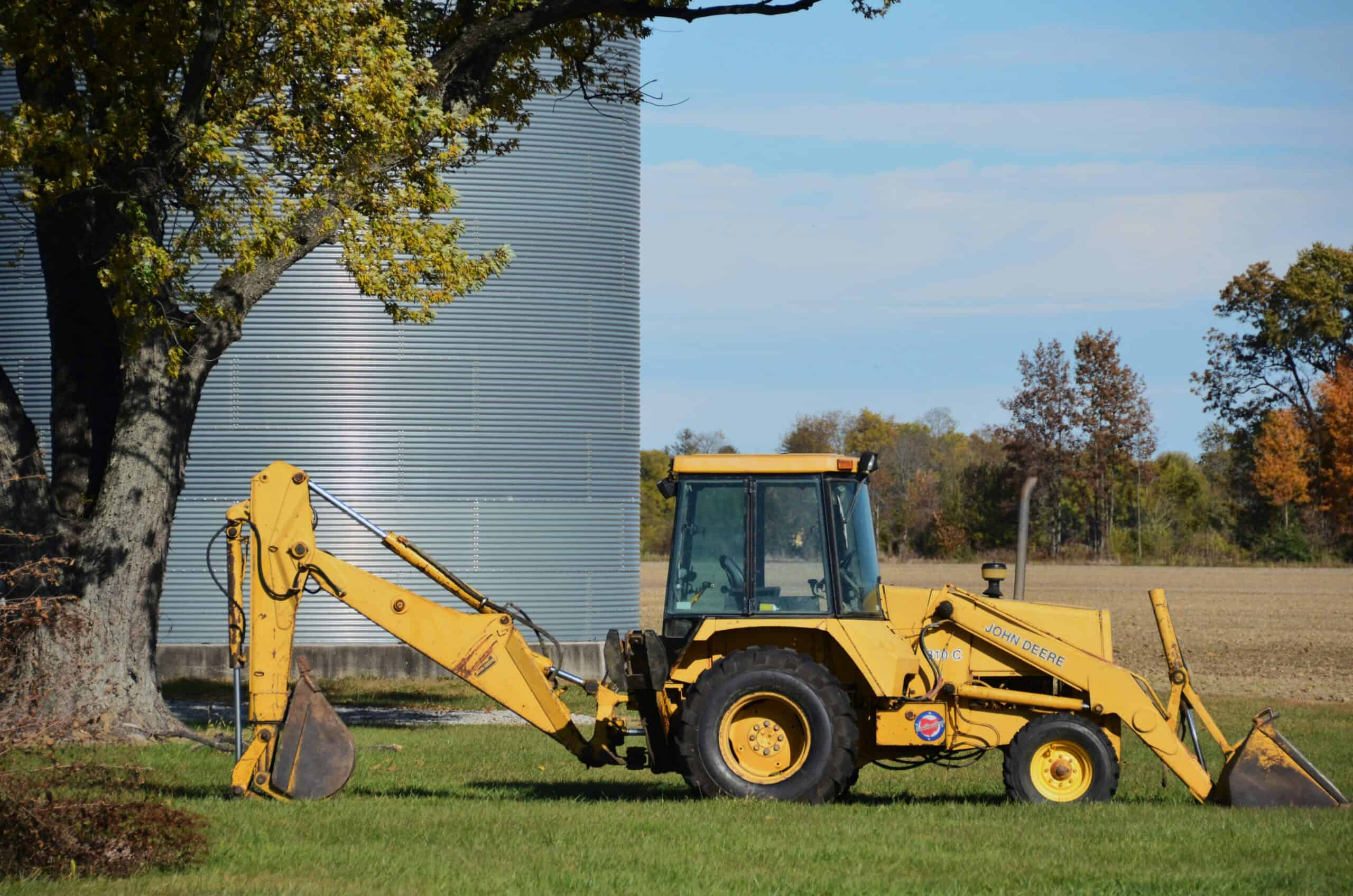
Backhoe loaders: are a separate category with a different buyer profile. The JCB 3CX, Cat 432, and Case 580 are the most common units. These are popular with smaller operators doing drainage, footings, rural fencing, and general earthmoving where one machine needs to do the work of both a loader and an excavator, which often makes a backhoe a cheaper entry point than running a second machine on excavator finance.
New machines, used machines, dealer purchases, private sales, and auction buys are all financeable. There is no requirement to purchase through a dealer. For private sales and auctions (Pickles, Ritchie Bros, GraysOnline), we handle the PPSR search to confirm the machine is clear of encumbrances, arrange an independent inspection if required by the lender, and manage settlement directly with the seller.
Age and hours policy: Most lenders are comfortable financing loaders up to 15 to 20 years old at end of term for tier one brands with reasonable hours and a documented service history. Hours matter more than calendar age on loaders. A 10 year old Cat 966 sitting at 6,000 hours is a stronger proposition for a lender than the same machine at 15,000 hours, regardless of age. Budget brand machines are harder to place past 10 years because lenders have less confidence in residual value.
Dollar range: Used backhoe loaders typically sit between $40,000 and $80,000. Used wheel loaders range from $60,000 to $250,000 depending on size and condition. New production class machines (Cat 966, Cat 980, Komatsu WA500) can run from $400,000 to $800,000 and above. Most loader finance files we write sit in the $80,000 to $300,000 range.
Attachments including buckets, forks, and rippers can be bundled into the finance as long as they are itemised on the invoice.
Who Loader Finance Is For
Loader finance suits any ABN holder purchasing a loader for business use. The most common borrower profiles we see are:
Civil contractors replacing or expanding fleet for subdivision, road, and infrastructure work. Quarry and materials handling operators running loaders at high utilisation across stockpiles and load out. Landscaping and earthmoving businesses stepping up from smaller machines. Demolition operators needing a loader for site clearance and material separation. Recycling and waste management yards running loaders daily across sorting, stockpiling, and truck loading, often alongside machines on forklift finance in the same yard. Council contractors and subcontractors working under head contractor agreements.
If you have been trading for two or more years with a clean credit history, most lenders will approve loader finance on a low doc basis.That means no full financials or tax returns are required. Approval is based on your ABN history, BAS lodgement, bank statements, and the asset itself.
New ABN holders are not ruled out. Operators coming out of working for someone else and starting their own business can access loader finance with a deposit and evidence of industry experience. The lender panel includes options that assess contract income and head contractor purchase orders directly, which is how most new operators earn before they have a full year of financials behind them.
Borrowers with previous credit issues, including defaults or past difficulties, also have options. Specialist lenders on the panel consider the full picture rather than declining based on a single mark on the credit file.
Why Use a Broker for Loader Finance
A loader is a significant purchase, and the spread between the best and worst finance offer on the same machine can be tens of thousands of dollars over the term. Going directly to one bank means one credit policy, one rate, and one set of terms. If that lender does not have appetite for the age, brand, or condition of the machine you are buying, you get a decline or an uncompetitive offer and start again with another application, another credit enquiry on your file, and another wait.
A broker submits one application across a panel of 50+ lenders. The file goes to the lenders with the strongest appetite for the specific loader you are purchasing, the age of the machine, the way you earn your income, and your trading history. You get competitive options back without multiple credit hits or wasted time.
This matters especially on loaders because lender appetite varies significantly by brand and age. A lender comfortable financing a 15 year old Caterpillar may decline the same dollar amount on a LiuGong. A lender strong on quarry operators may not understand civil subcontractor income. Matching the file to the right lender is where a broker adds the most value.
Sierra Finance also manages the full process: pre approval so you can negotiate on price as a cash buyer, settlement coordination with the dealer or private seller, PPSR searches, and insurance referrals. You are not chasing paperwork between a bank, a seller, and an insurer separately.
Ready to Finance a Loader? Get A Free Quote
Get a quote from a broker who understands loaders and heavy machinery. No obligation, fast response.
Getting Loader Finance
Step 1: Get in touch.
Call, email, or fill in the form on this page. Tell us what loader you are looking at (or what you need the machine for if you have not found one yet), the approximate purchase price, and a bit about your business. This takes a few minutes.
Step 2: We match and submit.
Based on your profile and the asset, we identify the lenders with the best appetite for your file and submit a single application. No shotgun approach, no unnecessary credit enquiries. If you are still shopping for the right machine, we can arrange pre approval so you know your budget before you commit.
Step 3: Approval and settlement.
Most approvals come back within 24 to 48 hours. Once you accept the offer, we coordinate settlement with the dealer, private seller, or auction house. Funds are released, the machine is yours, and you are operational.
Loader Finance FAQs

Get a Free Quote on Loader Finance
Talk to a broker who understands loaders and earthmoving equipment. No obligation, fast response.