
Forklift Finance
Fast, flexible finance for new and used forklifts across Australia
Sierra Finance arranges forklift finance for warehouses, logistics operators, manufacturers and agribusiness across Australia, matching your deal against 50+ lenders to find the structure that actually fits.
Whether it's a new electric counterbalance from a dealer or a used unit from a private sale, we get fast approvals without you having to guess which bank will say yes.
Our Lenders




























































What Our Clients Say About Us


How Forklift Finance Works
Most forklift buyers with an ABN go with a chattel mortgage. You own the forklift from settlement, the lender holds security over it, and you claim the usual tax benefits available to business owners. What makes forklifts different from a lot of other equipment is that a balloon payment genuinely works here. Forklifts hold their value better than most equipment because there's a real used market for them, so structuring 20 to 30 percent as a balloon over a three to five year term is common and keeps your monthly repayments down.
Finance lease suits operations that upgrade their fleet regularly, particularly warehouses running electric units hard across multiple shifts. If your forklift needs are seasonal or project based rather than permanent, a rental or short term facility might make more sense than committing to a purchase.
Lender selection is where the real work happens. Every funder has a different appetite for forklifts depending on age, hours, brand, whether it's coming from a dealer or a private seller, and how the deal is structured. Matching the right lender to your specific forklift is what determines whether you get a fast yes or a frustrating decline.

What You Can Finance With Forklift Finance
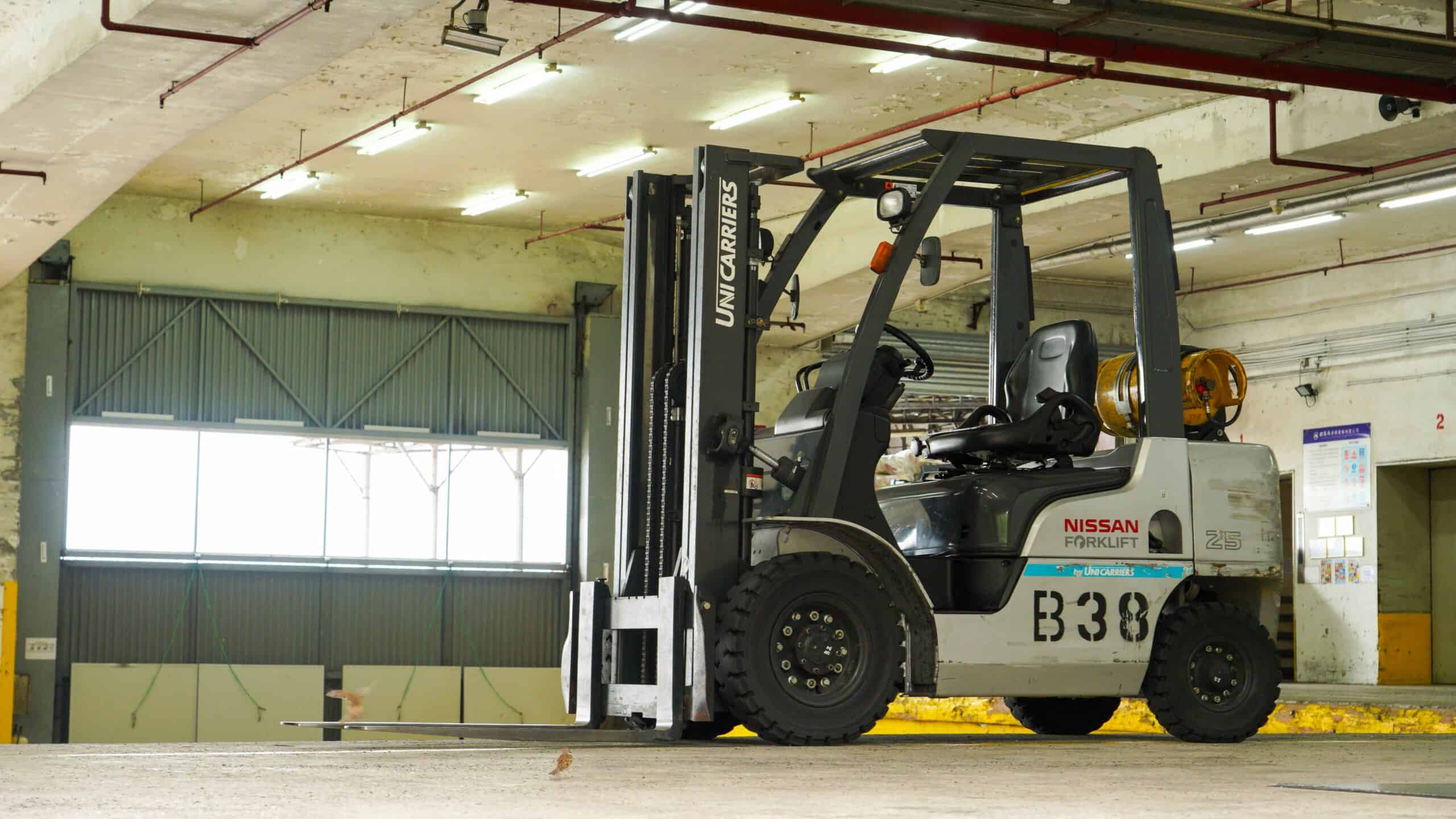
We arrange finance for new and used forklifts from dealers, importers, private sellers and auction houses, with deal sizes typically running from around $10k for a used unit through to $150k and beyond for new high capacity or specialised machines.
Electric counterbalance forklifts are the biggest segment we see, particularly for indoor warehouse and distribution work, and there is growing lender interest in the electric space with some funders now offering sharper terms on newer battery and lithium units given how the market is shifting. LPG units remain common for mixed indoor and outdoor operations, and diesel is still the standard for outdoor yard and construction work. Reach trucks, order pickers, pallet movers and rough terrain units are all financeable through the same process.
On used forklifts, age policy comes down to which lender you're placed with rather than one blanket rule. Some funders are comfortable well beyond ten years on well known brands like Toyota, Crown, Hyster, Linde and Nissan where resale data is strong, while others cap out much earlier. Hours matter as much as age. A forklift with heavy hours for its age gets assessed differently to a lightly used unit of the same vintage, and part of our job is placing your deal with a lender whose policy actually fits the machine rather than a generic cutoff.
Private sale purchases do happen in this category, though they're less common than dealer purchases. When they come up, the lender panel narrows and most funders will want to confirm the asset with photos, serial numbers and sometimes an independent inspection before approving. Auction purchases through Pickles or Grays work in a similar way.
If your business is buying more than one unit, or a forklift alongside other equipment like racking or pallet jacks, these can often be bundled into a single equipment finance facility rather than run as separate files, which simplifies the admin and can improve your overall pricing.
Who Forklift Finance Is For
Warehouse and distribution businesses are the largest group we see, whether that's expanding a fleet, replacing ageing units or fitting out a new site. Agricultural operations financing forklifts alongside other agricultural machinery for grain handling, produce packing sheds and rural supply yards are another regular client group, and logistics and freight operators running forklifts alongside their trucks and vans round out the biggest segments.
Manufacturing businesses adding capacity, construction companies needing yard or rough terrain units, and cold storage and food distribution operators all come through regularly too. On the smaller end, sole traders and new ABN holders setting up their first warehouse space, often for an ecommerce or fulfilment business, are common, and a single used forklift is frequently the first piece of equipment they finance.
New businesses without a full set of financials shouldn't rule themselves out, and low doc business loans exist specifically for this situation. Good bank statement history and a clear explanation of the business from your accountant, often through a simple letter alongside your BAS, gives the right lender enough to work with. Some funders take a genuinely holistic view of a new business rather than applying a rigid financials only policy, and knowing which ones do is exactly where a broker earns their spot in the deal.
Why Use a Broker for Forklift Finance
Every lender treats forklifts differently. Some are sharp on new dealer purchases but conservative on private sales. Some love electric units and are cautious on diesel. Some will finance a fifteen year old Toyota all day and decline a five year old machine from a brand they don't recognise. Without knowing this landscape, you're guessing, and every guess that turns into a decline shows up as a hard enquiry on your credit file, which makes the next application harder.
This shows up most with older or private sale forklifts. A bank might approve a new unit bought through an authorised dealer without blinking, then decline the exact same buyer for a well maintained used forklift bought privately, purely because it doesn't fit their standard policy. That's not a reflection of the deal, it's a reflection of one lender's narrow appetite. Working with a broker across 50+ lenders means we place the deal with a funder that actually wants it, and we can put the narrative together properly upfront rather than you finding out the hard way after a decline.
Get Your Free Forklift Finance Quote
Tell us what you're financing and we'll match it against 50+ lenders. No impact on your credit score to get a quote, and no obligation.
Getting Forklift Finance
Step 1: Tell us about the forklift and your business
A quick conversation about the unit (new or used, power type, age, seller) and your business structure lets us work out which lenders are the right fit before anything gets submitted.
Step 2: We match your file to the right lender
Rather than one application to one bank, we present your deal to the funders most likely to approve it on the best terms, with the narrative and documents structured the way each credit team wants to see them. Most approvals come back within 24 to 48 hours.
Step 3: Settlement and delivery
Once approved, we finalise paperwork and coordinate settlement with the dealer or seller, so you can take delivery and get the forklift working for your business.
Forklift Finance FAQs
It depends on the lender and the file. Established businesses with strong financials can often finance the full purchase price with no deposit. New ABNs, older private sale units or specialised machines are where a deposit strengthens the application and opens up more lenders.
Yes, though the lender panel is narrower than for a dealer purchase. Most funders will want photos, the serial number and sometimes an independent inspection or valuation before approving a private sale.
With a chattel mortgage you own the forklift from day one and the lender holds security over it. With a finance lease the lender owns the asset and you lease it, which can suit businesses that upgrade their fleet regularly.
There is no single cutoff. Some lenders are comfortable well past ten years on recognised brands with strong resale, while others are far more conservative. Hours run on the machine matter as much as its age, and matching you to a lender whose policy fits the specific forklift is the key step.
Yes, and electric units are the fastest growing part of the market. Some lenders are now offering sharper terms on newer electric and lithium battery forklifts given the shift in demand toward them.
Yes. Fleet purchases of two or more units can often be structured under a single facility rather than run as separate files, which simplifies documentation and can improve overall pricing.
In some cases, yes. Depending on the lender, a forklift can be financed alongside items like racking or pallet jacks within the same facility.
Often, yes. Forklifts are a well understood asset with a genuine resale market, which makes lenders more comfortable with newer businesses than they are with more specialised equipment. Strong bank statement history and a letter from your accountant alongside recent BAS can give a lender enough to work with, and some funders take a genuinely holistic view of new businesses rather than requiring full financials.
Most forklift finance runs over three to five years, though shorter and longer terms are available depending on the lender and how the file is structured.
Yes, and it's common on this asset because forklifts hold value better than most equipment. A balloon of around 20 to 30 percent is typical, which lowers your monthly repayments across the term.
Yes, all power types can be financed. Electric is currently the biggest growth segment, particularly for indoor warehouse work, while LPG and diesel remain standard for mixed use and outdoor operations.
Yes, though as with private sales, the lender panel is narrower than for a dealer purchase and some funders will want additional verification before approving.
A decline creates a hard enquiry on your credit file, which can make the next application harder regardless of where you apply. This is common when a bank's policy does not fit the specific forklift, particularly older or private sale units. Talking to a broker before applying means your file goes to a lender likely to say yes the first time.
Yes. Agricultural operations financing forklifts for grain handling and produce packing, and logistics operators running forklifts alongside trucks and vans, are both regular clients.
Your bank applies one policy to every application. If your forklift's age, seller type or your business profile does not fit that policy, you get declined or offered a worse structure. A broker across 50+ lenders knows which funders actually want your specific file, which is where faster approvals and better structures come from.

Get A Free Forklift Finance Quote
Tell us what you're financing and we'll match it against 50+ lenders. No impact on your credit score to get a quote, and no obligation.