
Generator Finance
Finance for portable, standby and industrial generators, compressors and power equipment
Generator finance lets businesses spread the cost of a genset, compressor or power system over a fixed term instead of paying upfront.
We arrange funding from $5,000 to $250,000 and beyond across 50+ lenders, covering everything from towable site units to large standby sets, with the switchgear and installation often bundled into the same facility.
Our Lenders






















































What Our Clients Say About Us


How Generator Finance Works
Generator finance is usually written as a chattel mortgage. You own the generator from day one, the lender takes security over it, and you repay over a fixed term, typically three to five years. What changes the approval most is how the unit will be used and installed: portable, standby or permanently fixed to a building.
That installation question matters more with generators than almost any other equipment. A towable diesel genset on a trailer can be moved, resold and recovered like any other piece of plant, so lenders treat it as strong security. A skid mounted standby set that is bolted down but can still be disconnected and lifted out is generally treated the same way. A large unit built into a plant room, wired into the switchboard and housed in a purpose built enclosure is a different story. Some lenders see that as closer to a fixture than a movable asset, which means they may limit how much they will lend against it or want more weight on the business itself. For those files, a secured business loan can sometimes be the better fit.
Most files run as a chattel mortgage, and GST registered businesses can generally claim the GST on the purchase price through their BAS. Finance leases and hire purchase are also available, and your accountant can confirm which suits your tax position. A balloon payment is optional: some clients use one to keep repayments lower through the term, others prefer to pay the unit off in full. Generators sit within our broader equipment finance range, and the same principle applies across it: the right lender for the asset makes the approval.

What You Can Finance with Generator Finance
Almost any generator, compressor or power system your business relies on can be financed, new or used, from brands like Cummins, Caterpillar, Atlas Copco, Kubota, Denyo, FG Wilson, Perkins, Honda, Yamaha and Sullair. Asset pricing runs from around $5,000 for a small portable unit through to $500,000 or more for a large industrial set.
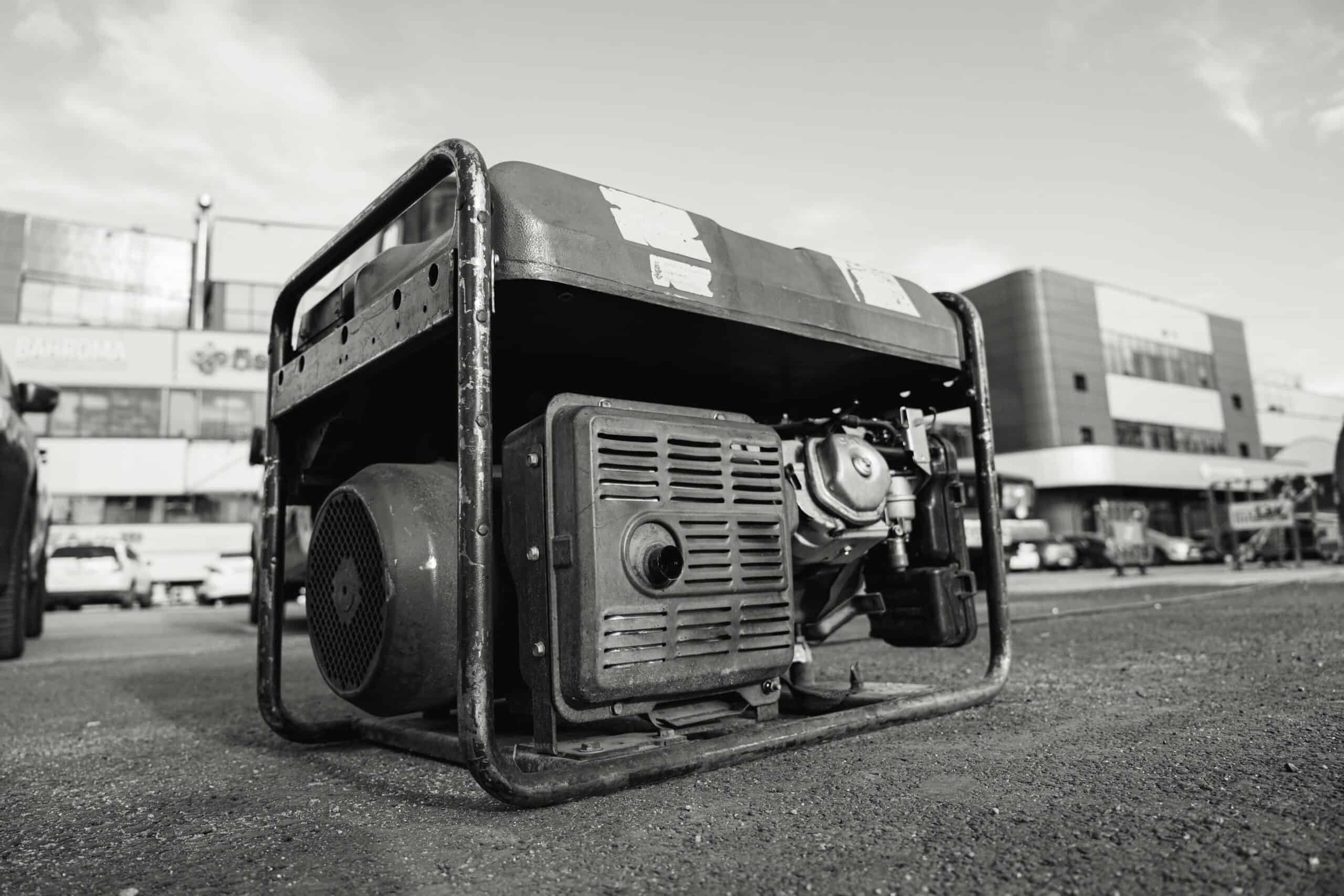
Portable and Towable Generators
Diesel gensets on skids or trailers used on construction sites, at events, on farms and by hire companies. These are the most straightforward generators to finance because they move, they resell and there is a deep secondary market for them. Towable units in the 20 to 100 kVA range are the most common size we see.
Standby Generators
Backup sets that sit ready to start when the grid drops, with an automatic transfer switch handling the changeover. Warehouses, cool stores, aged care facilities, medical centres, data rooms, pubs and service stations all rely on them. Standby units often run very few hours a year, which keeps them in good condition and supports their value.
Prime Power and Industrial Generators
Large sets that run every day as the main power source, or back up an entire site. Quarries, remote mining camps, off grid farms and large industrial facilities fall into this group. Units from a few hundred kVA up to megawatt scale carry the biggest price tags, and lender selection matters most here because of the value involved and how the unit is installed.
Air Compressors
Towable diesel compressors for construction, civil and mining work, plus stationary rotary screw compressors for workshops and manufacturing plants. Portable compressors from recognised brands carry similar lender appetite to towable generators. Compressors are often financed alongside other plant on the same facility.
Lighting Towers and Welder Generators
Mobile lighting towers for night works, roadworks and events, and engine driven welder generators for fabrication and pipeline work. Smaller items can fall under a lender's minimum on their own, so they are usually bundled with a generator or other equipment purchase.
Installation, Switchgear and Fuel Systems
Automatic transfer switches, switchboard upgrades, cabling, electrical installation, concrete pads, acoustic enclosures, bulk fuel tanks and freight can usually be included when they are quoted alongside the unit. On a standby installation these costs can add up to a large share of the total, so bundling them keeps everything on one repayment instead of paying the electrician from cash flow.
Solar and Battery Hybrid Systems
Some sites pair a generator with solar panels and battery storage to cut fuel use and run hours. We can finance the hybrid system as a package, or the solar and battery side separately.
If you are buying generators for a mine site or quarry alongside crushing, screening or drilling plant, our mining equipment finance page covers how lenders assess that side of the purchase.
Who Generator Finance Is For
Generator finance suits any Australian business that needs reliable power to earn income or protect stock, from a single towable unit for a builder through to an industrial standby set for a warehouse. Each profile below is assessed differently by lenders, which is why matching the file to the right funder matters.
Construction, civil and mining contractors. Site power for crib huts, tools, pumps and lighting where there is no grid connection. Lenders view these favourably when there is a solid contract book behind the purchase, and site generators are often financed with a trailer or other plant at the same time.
Equipment hire companies. Hire operators buying three, four or five towable units at once are a common file. Lenders look at your time in the hire industry, utilisation and existing contracts, and a fleet purchase can often be structured as one approval rather than separate applications for each unit.
Events, film and production businesses. Mobile generators and lighting towers for festivals, outdoor events and film sets, where the gear moves between jobs and earns on day rates.
Businesses that cannot afford to lose power. Aged care and medical facilities, data centres and server rooms, cool stores, butchers, supermarkets, pubs, service stations and manufacturers where an outage means lost stock, lost trading or a safety risk. A standby set is often cheaper than the first outage it prevents.
Farms and remote operations. Dairies, poultry sheds, irrigation and off grid properties where the generator is either the backup or the main supply.
Established businesses with clean credit and two or more years of trading have access to the widest lender panel, and most files under $150,000 can be approved as low doc loans using bank statements and a current BAS. Newer businesses can still get there, especially on portable units with strong resale, and we regularly arrange new business finance for operators in their first year. Bad credit is workable too. Prior defaults or judgments narrow the lender pool rather than close it.
Why Use a Broker For Generator Finance
Lender appetite for generators varies more than most people expect, mainly because of how the unit is installed and used. A broker's job is to match your file to a lender whose policy fits the generator you are buying, compare that against any dealer offer, and avoid unnecessary credit enquiries if the first option doesn't fit.
A lender that funds towable site generators every week might be cautious on a permanently installed standby set in a leased building, where the landlord's consent can also come into play. Another might be comfortable with fixed installations but have tight limits on how much of the total can be electrical work rather than the unit itself. Some are strong on hire fleets, others avoid them. Knowing which lender sits where is the difference between a clean approval and a wasted enquiry on your credit file.
Dealer and manufacturer finance is worth comparing too. Promotional offers can be genuinely sharp, but they are often limited to new units, specific models or a minimum deposit, and a low headline number can be funded through a higher price. Ask the dealer for the cash price and compare the total cost of both options. We are happy to run that comparison, and if the dealer offer comes out ahead, you should take it.
We also handle the work that slows these files down: confirming the dealer invoice and serial numbers, bundling the unit and the installation costs correctly, arranging valuations on larger used units, and coordinating settlement so the generator is released on time.
Get a Free Generator Finance Quote
Tell us what you need to power and we will match your file to the right lender from our panel of 50+ funders, with no obligation and no impact on your credit score.
Getting Generator Finance
Step 1: Tell us what you're buying
Send through the dealer quote, and the electrician's quote if there is installation involved, along with a quick overview of your business and how the generator will be used. No paperwork upfront. We assess lender fit before asking for a single document.
Step 2: We match you to the right lender
We identify the lender whose policy best fits the unit, the installation type, your trading history and your credit profile, structure the purchase and install costs correctly, and submit with a clear credit narrative on anything complex.
Step 3: Get approved and settled
Straightforward files are typically approved within 24 to 72 hours. Once documents are signed, settlement is paid directly to the supplier and your generator is released for delivery or installation.
Genrator Finance FAQs
Yes. Generators bought for business use can be financed like any other income producing equipment, with the generator itself acting as security. Most files are written as a chattel mortgage over three to five years. Portable, standby and industrial units can all be funded, and installation costs can often be included when quoted with the unit.
Portable and towable diesel generators, standby generators with automatic transfer switches, prime power and industrial sets, towable and stationary air compressors, lighting towers, welder generators, and solar and battery hybrid systems. New and used units from brands like Cummins, Caterpillar, Atlas Copco, Kubota, Denyo, FG Wilson and Perkins are all common.
As a rough guide, small portable units start around $5,000, towable diesel generators in the 20 to 100 kVA range typically run $15,000 to $60,000, and larger standby sets for commercial buildings often sit between $60,000 and $200,000. Large industrial and prime power generators can reach $500,000 or more, before installation costs are added.
Yes, it is one of the biggest factors. Portable and towable units are strong security because they can be moved and resold. Skid mounted standby sets that can be disconnected and removed are usually treated similarly. Permanently installed units built into a building can be seen as closer to a fixture, so some lenders limit what they will lend against them.
Usually, yes, when they are quoted alongside the generator. Automatic transfer switches, switchboard upgrades, cabling, concrete pads, acoustic enclosures, fuel tanks and freight can often be bundled into the same facility. Most lenders limit how much of the total can be installation rather than the unit itself, so we check each lender's position before submitting.
Yes. Used and ex hire generators are financed regularly. On a genset, the hours meter and service history tell lenders more than the build year does, so a well maintained unit with its logbook intact is straightforward. Private sales and auction purchases are also workable with the right lender, and larger used units may need a valuation.
Yes. Towable diesel compressors, stationary rotary screw compressors, lighting towers and welder generators can all be financed. Portable compressors from recognised brands carry similar lender appetite to towable generators. Smaller items can fall under a lender's minimum on their own, so they are often bundled with a generator or other plant.
Yes. Hire operators buying several towable generators, compressors or lighting towers at once are a common file. Lenders look at your time in the hire industry, fleet utilisation and existing contracts. A fleet purchase can often be structured as a single approval rather than separate applications for each unit, which saves time and paperwork.
Yes. Lenders are tighter on new businesses, but portable and towable generators with strong resale are one of the easier assets to fund in your first year. Industry experience, work already lined up and your personal credit history all count in your favour. A deposit or property ownership widens the lender pool, but neither is always essential.
Yes, bad credit is workable. Prior defaults, judgments or a thin credit file narrow the lender pool rather than close it. Specialist non bank lenders assess the full picture, including what caused the issue and how the business is trading now. A clear explanation and recent bank statements go a long way.
For most files under $150,000 you need an ABN, GST registration, your driver's licence, recent business bank statements (typically three to six months) and the supplier quote or tax invoice, plus the electrician's quote if installation is involved. Larger files usually need full financials. We tell you exactly what is needed before you provide anything.
Terms typically run from one to five years, and sometimes longer on large new units. Many businesses match the term to how long they expect to keep the generator. A balloon payment is optional. It lowers the regular repayment in exchange for a lump sum at the end, and whether to use one is entirely your choice based on cash flow and plans for the unit.
It depends on the structure. With a chattel mortgage you own the generator, and the interest and depreciation are generally deductible, with GST claimable on the purchase price if you are registered. With a finance lease, the lease payments are generally deductible as an operating expense. Your accountant is the right person to confirm the best structure for your business.
It can be worth it. Manufacturer promotional finance is sometimes genuinely competitive, but it is usually limited to new units, specific models or a minimum deposit, and a low headline number can be offset by a higher price. Ask the dealer for the cash price and compare the total cost of both options. If the dealer offer comes out ahead, take it.
Straightforward files with clean credit and a supplier quote are typically approved within 24 to 72 hours. Permanently installed units, large used generators, private sales and new ABN files take longer, usually up to one to two weeks, because they need a fuller credit narrative or a valuation. Once documents are signed, settlement is paid directly to the supplier.
Ready to Finance a generator
Call us on 0416 960 969 or fill out the form below. We respond the same business day with an honest assessment of your options across 50+ lenders.